
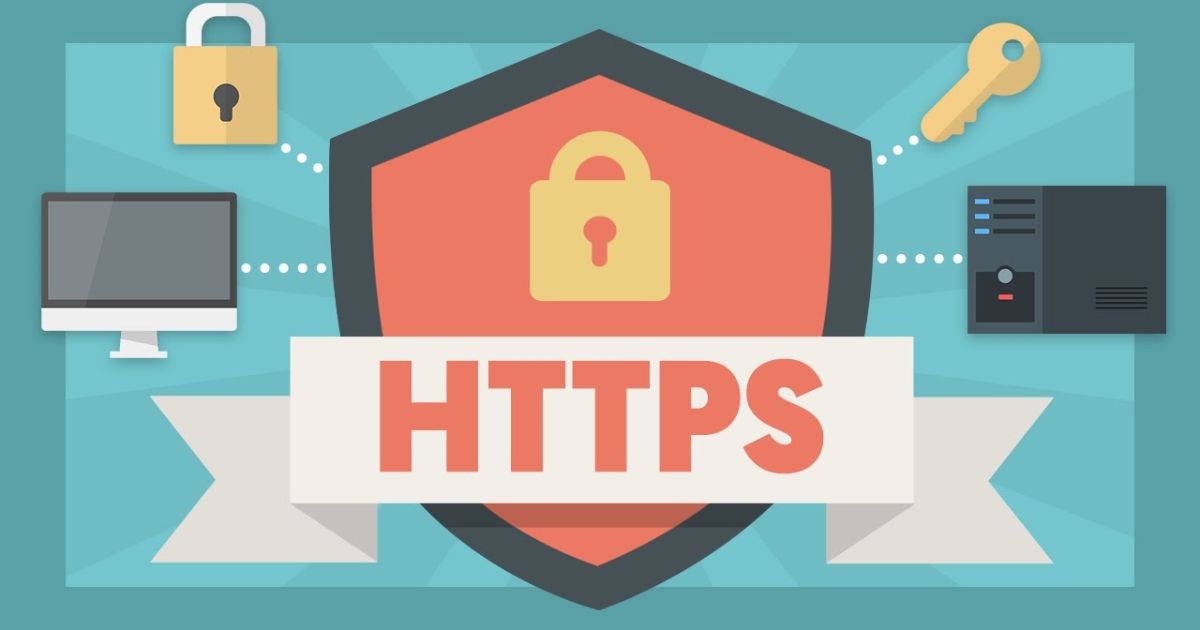
Why Is HTTPS Important for Safe Browsing?
The internet has become an essential part of everyday life, allowing people to shop, communicate, learn, and access digital content with ease.
However, as online activity continues to grow, so do the risks associated with cyber threats and data theft. One of the simplest ways to determine whether a website is secure is by checking if it uses HTTPS.
HTTPS is more than just a few letters in a website address. It is a security protocol designed to protect the information exchanged between your browser and the website you are visiting. Understanding its importance can help you make safer decisions while browsing online.
What Is HTTPS?
HTTPS stands for Hypertext Transfer Protocol Secure. It is the secure version of HTTP and uses SSL/TLS encryption to protect data transmitted between users and websites.
When a website uses HTTPS, sensitive information such as passwords, payment details, and personal data is encrypted before being sent over the internet. This encryption makes it much more difficult for hackers to intercept or read your information.
How Does HTTPS Protect Users?
The primary purpose of HTTPS is to create a secure connection between your device and the website’s server.
Its main security benefits include:
- Encrypting transmitted data
- Preventing unauthorized interception
- Verifying website authenticity
- Protecting login credentials
- Reducing the risk of cyber attacks
These protections make HTTPS an essential feature for any website that values user security.
Why HTTPS Matters?
Without HTTPS, information sent between your browser and a website can potentially be viewed or modified by attackers, especially when using public Wi-Fi networks.
A secure connection helps ensure:
- Better privacy
- Safer online transactions
- Improved protection against phishing attacks
- Greater confidence when sharing information
For both website owners and visitors, HTTPS plays a critical role in maintaining trust.
HTTPS Helps Prevent Data Theft
Cybercriminals often target unsecured connections to steal personal information. Login credentials, email addresses, and payment details can become vulnerable if data is transmitted without encryption.
HTTPS significantly reduces this risk by encrypting communication, making intercepted data unreadable to attackers.
Better Trust for Website Visitors
Modern web browsers display visual indicators that help users identify secure websites. A padlock icon in the address bar generally signals that the website uses HTTPS.
Many users immediately leave websites that display security warnings because they are less likely to trust them with personal information.
For businesses, bloggers, and content creators, HTTPS improves credibility and encourages users to stay on the website longer.
HTTPS Supports Better Search Visibility
Search engines aim to provide users with safe browsing experiences. As a result, HTTPS has become an important technical factor for website quality.
Although content quality remains the most significant ranking factor, using HTTPS contributes to a more secure and reliable website, which supports long-term SEO performance.
Secure Browsing Habits Still Matter
Even when visiting HTTPS websites, users should continue practicing safe browsing habits.
Some useful recommendations include:
- Keep your browser updated.
- Use strong and unique passwords.
- Enable two-factor authentication.
- Avoid clicking suspicious links.
- Download files only from trusted sources.
HTTPS is one layer of protection, but personal awareness remains equally important.
How to Check if a Website Uses HTTPS?
Before entering personal information on any website, verify that it uses HTTPS.
You can usually confirm this by:
- Looking for the padlock icon in your browser.
- Checking that the web address begins with https://.
- Reviewing browser security warnings before proceeding.
If a website does not use HTTPS, avoid submitting sensitive information.
Choosing Secure Online Platforms
Whether you are visiting blogs, educational resources, shopping websites, or entertainment platforms, security should always be a priority. Users increasingly prefer platforms that protect their privacy and maintain secure connections. For example, people researching sites like Xxbrit often look for information about website security, privacy practices, and safe browsing before exploring any online platform.
FAQ’s
What does HTTPS stand for?
HTTPS stands for Hypertext Transfer Protocol Secure and encrypts data between your browser and a website.
How can I tell if a website uses HTTPS?
Check for a padlock icon and an https:// URL in your browser’s address bar.
Does HTTPS guarantee a website is completely safe?
No, HTTPS secures the connection, but users should still verify the website’s legitimacy.
Why is HTTPS important for online privacy?
It encrypts your data, helping protect sensitive information from being intercepted.
Should I avoid websites that don’t use HTTPS?
Yes, especially if they ask for personal, login, or payment information.
Conclusion
HTTPS has become a standard feature of a secure internet. It protects personal information, prevents unauthorized access, improves website credibility, and supports safer browsing experiences.
While HTTPS cannot eliminate every online threat, it provides a strong foundation for protecting users and their data. Combined with smart browsing habits and regular security updates, it helps create a much safer online environment for everyone.
RELATED POST: Quick Games to Play with Friends Online That Don’t Require Complicated Rules